4 hr
Salalah Nature Explorer: Wadi Darbat, Mount Samhan & Taqah Beach
Discover waterfalls, wildlife and mountain vistas on this scenic half-day journey through Oman's natural wonders
Reserve
Where Dhofar's limestone plateaus drop into green, where summer rain fills a seasonal lake
Hand-picked by our editors — only the best 8 experiences from 23 reviewed.
Verified partners for Wadi Darbat tours, free cancellation where available, and instant confirmation on every booking.
4 hr
Discover waterfalls, wildlife and mountain vistas on this scenic half-day journey through Oman's natural wonders
Reserve
8 hr
Explore dramatic landscapes from mountains to sea—waterfalls, ancient trees, and dunes in one epic day
Reserve
8 hr
Explore dramatic valleys, historic fortresses, and breathtaking coastal views on this full-day adventure
ReservePrices from verified partners. Availability updates in real time at checkout. Free cancellation policies apply where shown.
Every Wadi Darbat tour side-by-side — duration, what's included, how you redeem.
| Experience | Duration | Rating | Pickup | Guide | Small group | Free cancel. | Price | |
|---|---|---|---|---|---|---|---|---|
|
Standard Entry Most popular
Salalah Nature Explorer: Wadi Darbat, Mount Samhan & Taqah Beach
|
4 hr | ★ 4.9 | ✓ | ✓ | ✓ | ✓ | $86 | Book → |
|
Guided Experience
East Salalah Adventure: Valleys, Peaks & Coastal Wonders
|
8 hr | ★ 4.6 | ✓ | ✓ | ✓ | ✓ | $90 | Book → |
|
Guided Experience
East Salalah Discovery: Wadis, Mountains & Sinkholes
|
8 hr | ★ 4.8 | ✓ | ✓ | ✓ | ✓ | $91 | Book → |
All prices from verified partners. Availability and exact terms confirmed at checkout.
They complement each other; most visitors who do both call the wadi darbat tour the more versatile destination for families, while Ayn Athum offers a more singular, rugged encounter with seasonal Salalah landmarks. These Salalah nature sites serve different purposes, so securing wadi darbat tour tickets is often prioritized for those seeking full-day recreation.
| Feature | Top pick Wadi Darbat | Ayn Athum |
|---|---|---|
Seasonal Waterfall Flow |
High during Khareef | |
Accessibility Level |
Paved roads to main areas | |
Infrastructure and Amenities |
Boats and paved walkways | |
Crowd Density |
High visitor volume | |
Photography Opportunity |
Panoramic valley views | |
Wadi Darbat Tour Tickets |
Free entry to the park | Free entry to the park |
| See tickets → |
Verdict: Choose the wadi darbat tour tours for extensive amenities and water activities, or select Ayn Athum if you prefer a quieter, rapid-fire wadi darbat tour tour of a solitary cascading cliffside.
Choose your ticket, select your date, and reserve in under two minutes. Secure checkout handled by our verified partner.
Instant confirmation by email, with a mobile voucher you can save offline. No printing, no queuing at a collection desk.
Arrive at the entrance, show your voucher on your phone, and walk in. Most tickets include priority or skip-the-line access.
Practical details for Wadi Darbat tickets straight from our verified partners — hours, access, rules, and how to get there.
Modest clothing is recommended to respect local culture in the Dhofar region. Ensure shoulders and knees are covered when visiting nearby villages or public areas.
There are no formal security checkpoints at the site. Visitors should carry their belongings as there are no storage lockers or formal security facilities available.
Photography is highly encouraged, especially in the early morning light. Tripods are permitted, but avoid blocking narrow pathways or designated boat boarding areas.
The main lake area is accessible via paved paths suitable for strollers and standard wheelchairs. Some hiking trails in the surrounding hills are rugged and uneven.
Mobile phones are permitted. Keep ringer off inside exhibition spaces.
The area is exceptionally family-friendly, offering wide-open spaces for children to play. Picnic spots and boat ride activities make for an easy day out.
Small food stalls and cafes are available on-site offering local snacks and drinks. Visitors are welcome to bring their own picnic supplies to enjoy under the trees.
Pets are not allowed, with the exception of service animals with appropriate documentation.
Last entry is typically 1 hour before closing. Check the specific ticket for timing.
Best time to go, insider tips, nearby landmarks, and the cancellation fine print — flip through to skim what matters to you.
Flexible, no hidden fees.
Entry is free for all visitors to the park. Private guided tours of the wadi may have specific cancellation windows set by individual operators.
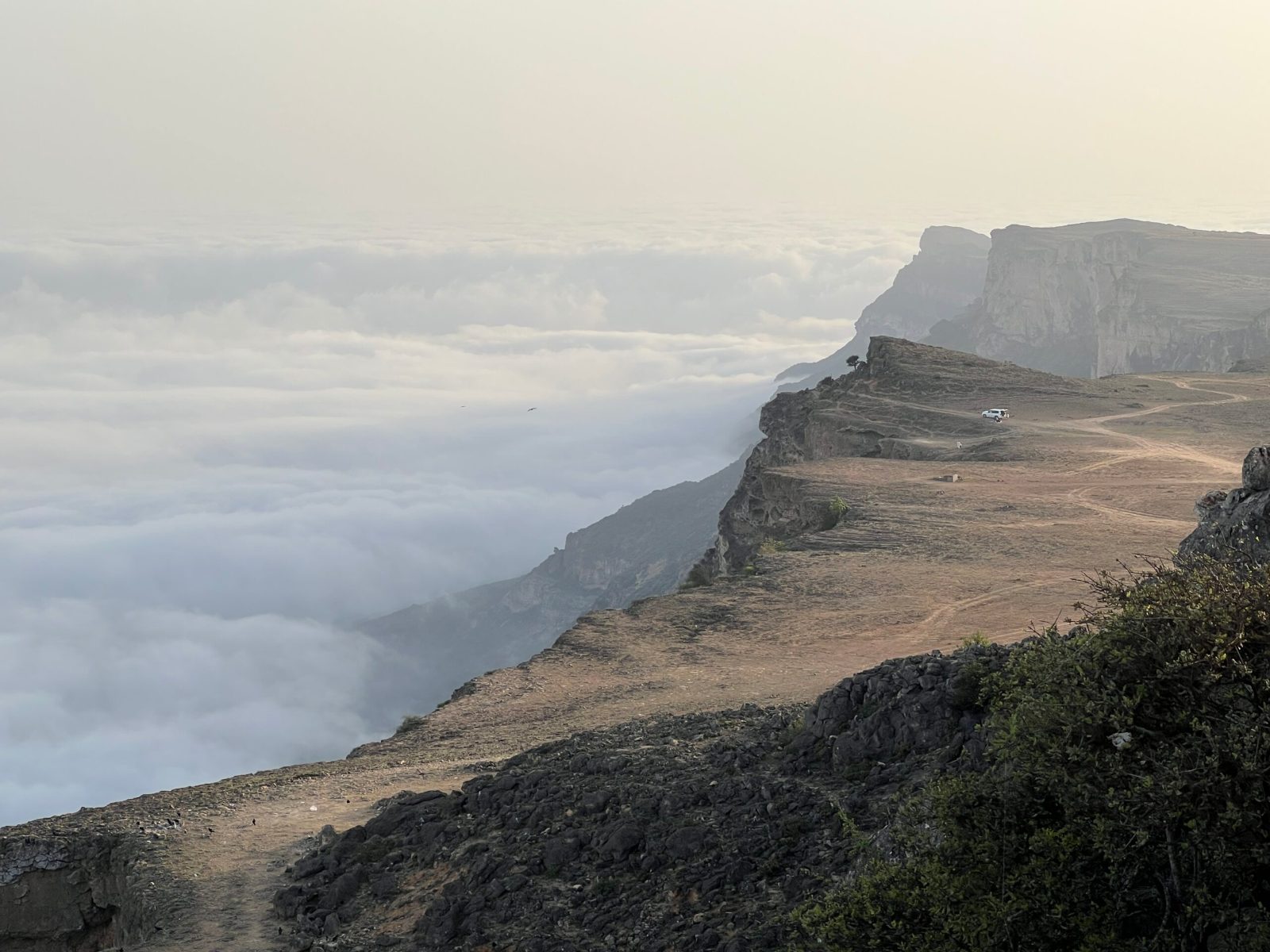
Wadi Darbat sprawls across 6 square kilometres of Dhofar's escarpment, a limestone canyon that transforms each khareef — the Arabian Peninsula's southwest monsoon — into a verdant tableau visible only from late June through September.
Outside this narrow window the wadi reverts to arid savanna, its ephemeral lake shrinking to scattered pools and the waterfalls to damp seeps. The transformation hinges on a geological quirk: Dhofar's Jebel Qara range intercepts moisture-laden winds from the Indian Ocean, triggering orographic rainfall that drenches this pocket while the rest of Oman bakes under summer sun. The result is a seasonal biome unique on the peninsula, supporting wild frankincense groves, acacia thickets, and migratory bird corridors.
The wadi's name derives from the Dhofari Arabic root for "striking" or "impact," likely referencing the canyon's abrupt drop from plateau to valley floor — a vertical shift exceeding 200 metres in places. Bedouin pastoralists have grazed livestock here for centuries, tethered to the wadi's year-round springs even when surface water vanishes. The modern park infrastructure arrived in the early 2000s, when Oman's Ministry of Tourism designated Wadi Darbat a protected nature reserve and installed loop trails, viewing platforms, and a lakefront promenade. The site remains free to enter, managed by the Dhofar Municipality rather than a private concessionaire.
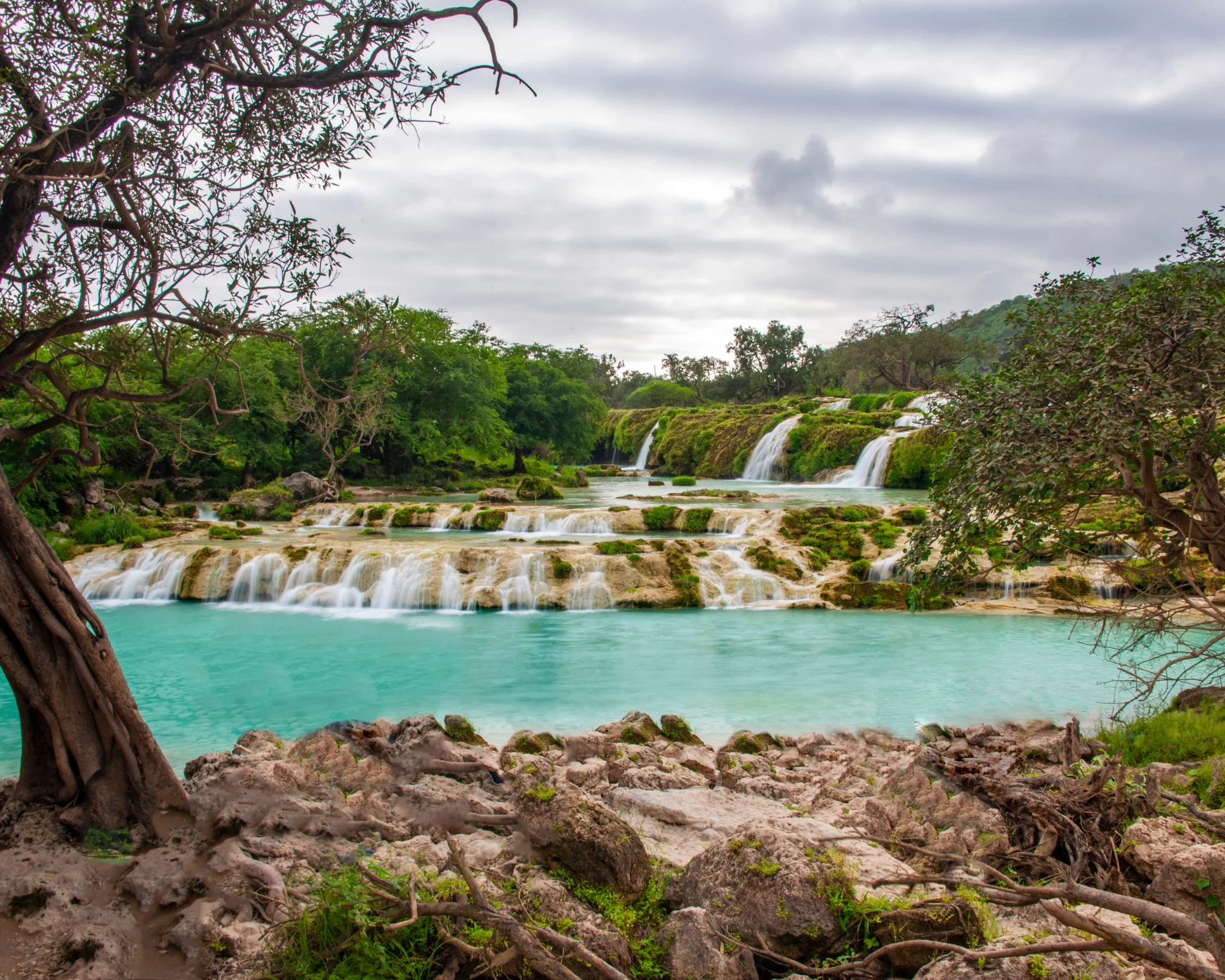
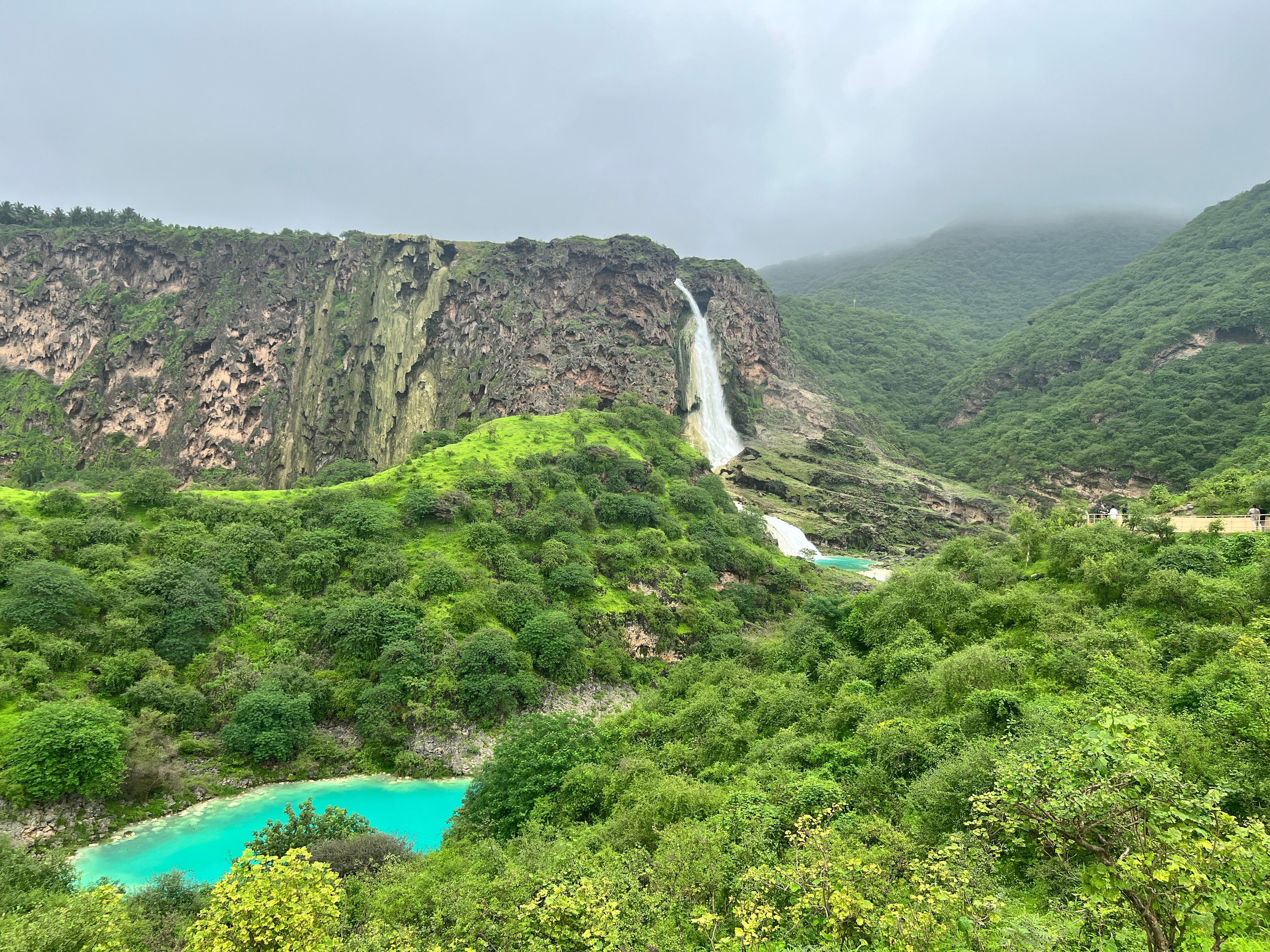
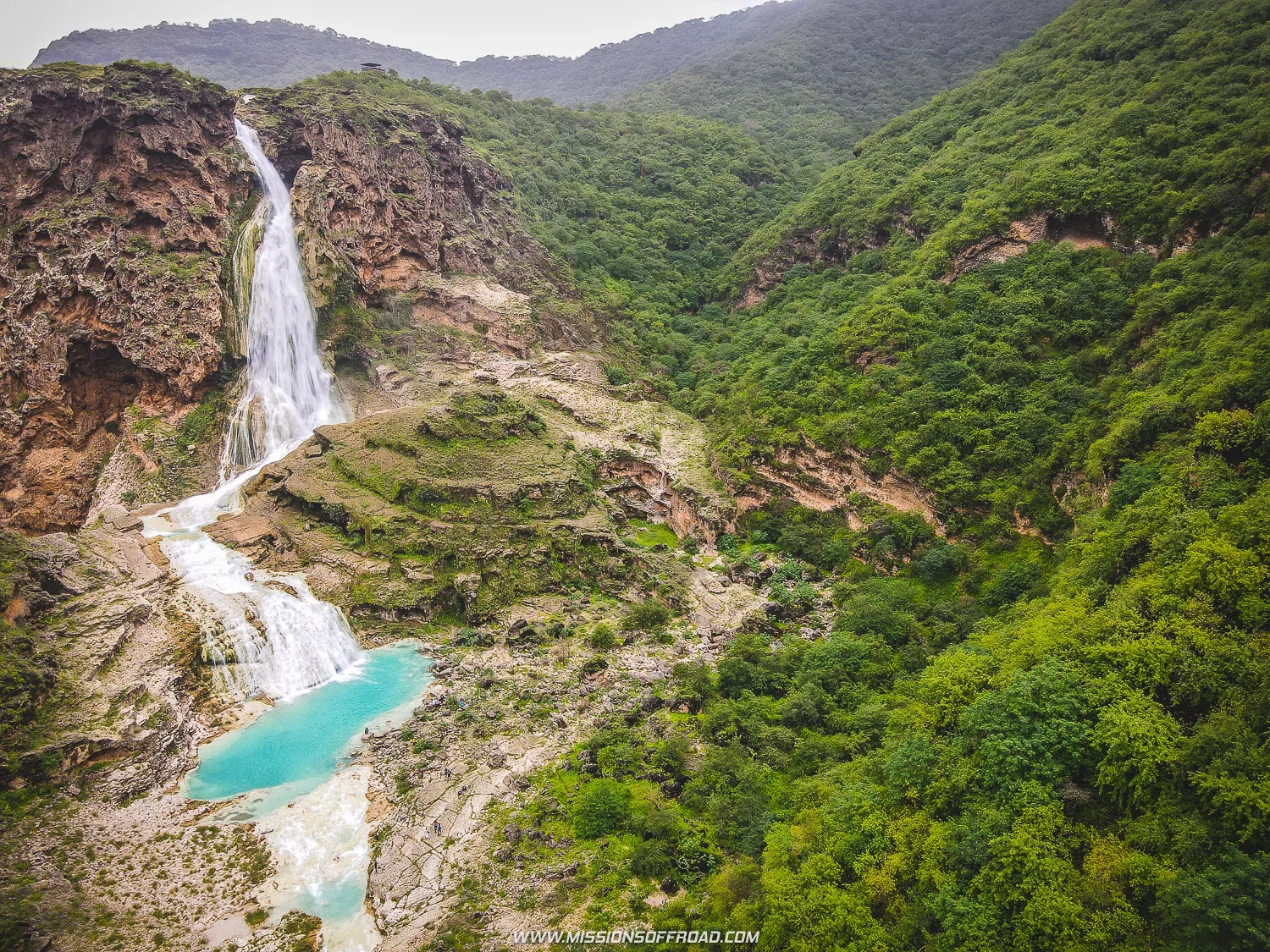
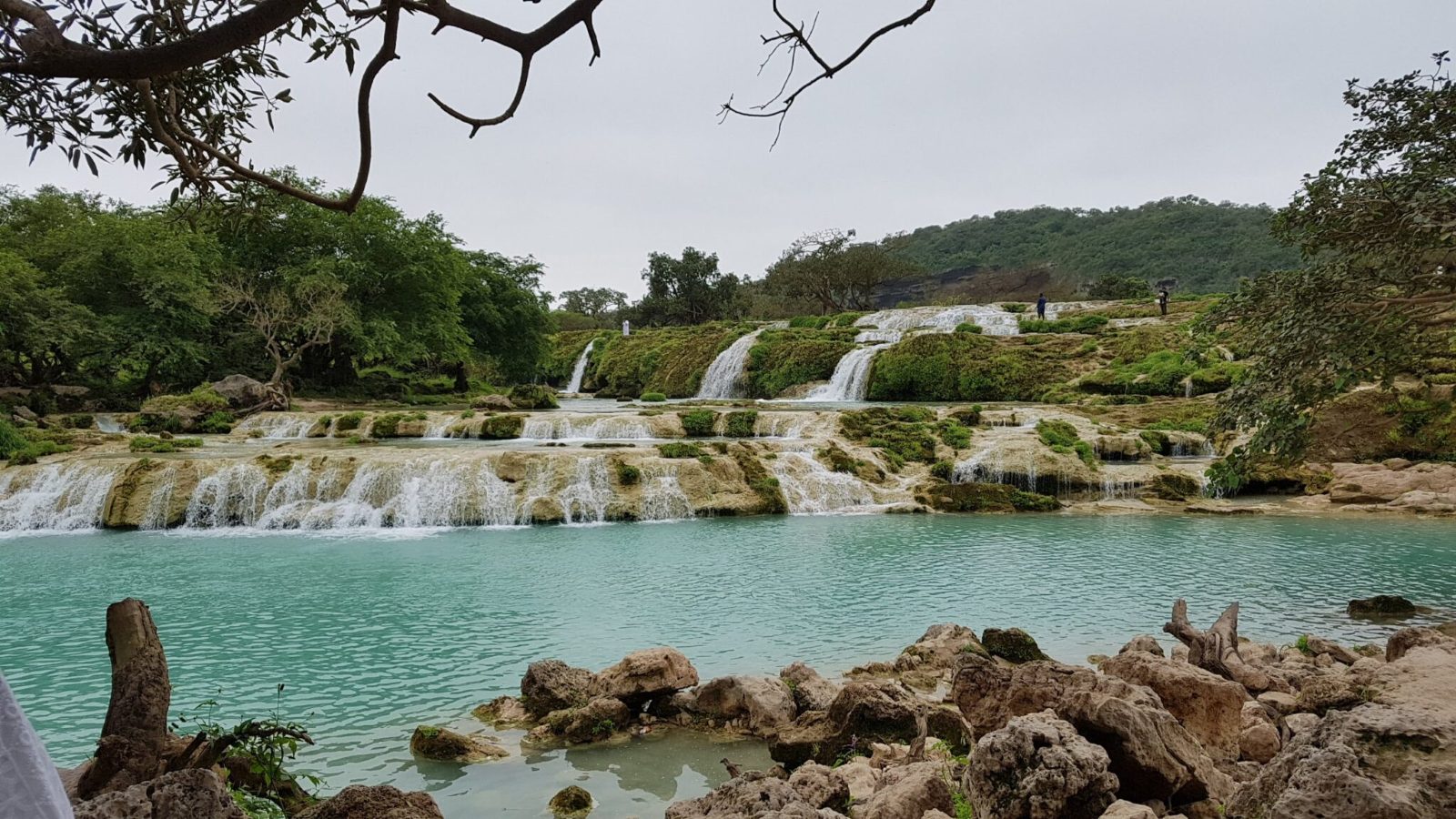
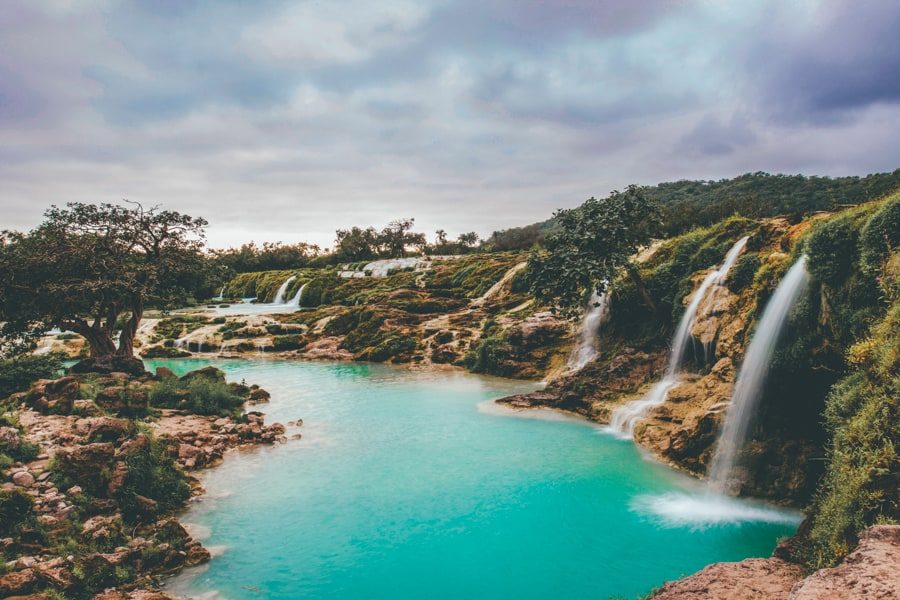
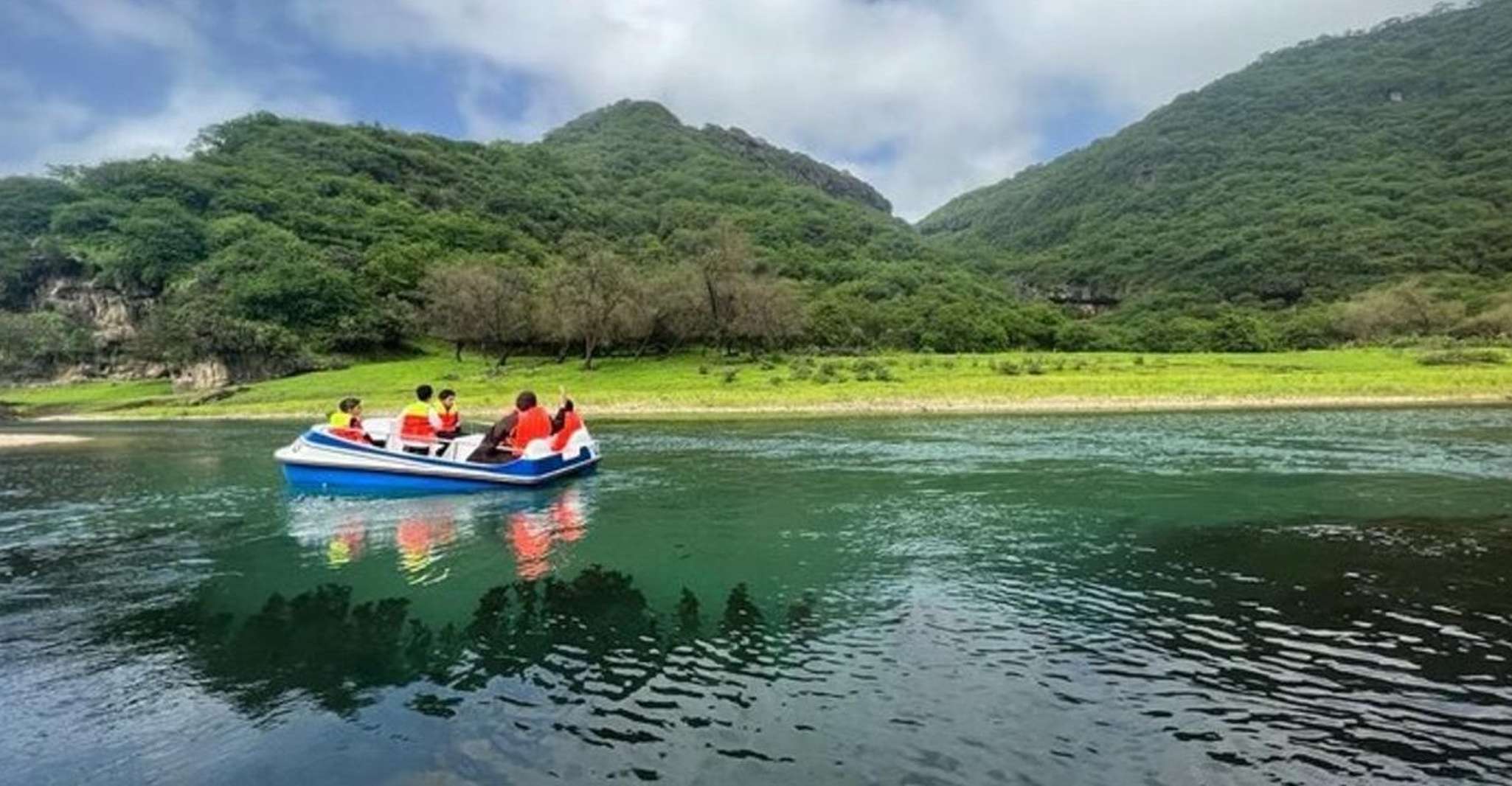
Salalah wadi darbat tour operators now ferry visitors along the 40-kilometre road from Salalah's coastal strip, threading through the villages of Taqah and Mirbat before climbing into the Jebel foothills. The drive takes roughly 50 minutes one-way, with the final approach marked by a sudden shift in vegetation as the road crests the escarpment. During khareef, the waterfalls — fed by runoff from the plateau above — cascade over travertine ledges in three distinct tiers, the tallest dropping 30 metres into a plunge pool accessible via a 600-metre footpath. The lake, absent in winter, spans 1.2 kilometres at its August peak, shallow enough to wade but deep enough for pedal boats, which local vendors rent at the eastern shoreline.
Frankincense trees (Boswellia sacra) cluster along the wadi's northern slopes, their papery bark and resin tapping scars visible from the main trail. These trees supplied Dhofar's ancient incense trade, the aromatic gum transported north via camel caravan to markets in Mesopotamia and the Levant. Today the trees remain unharvested within the park boundary, protected under Oman's 1995 Environmental Protection Law. The trails themselves total 4 kilometres of paved and compacted gravel paths, looping past sinkholes, caves used historically for grain storage, and viewpoints overlooking the lake's southern margin where cattle egrets and glossy ibises congregate during migration.

"Dhofar's Jebel Qara range intercepts moisture-laden winds from the Indian Ocean, triggering orographic rainfall that drenches this pocket while the rest of Oman bakes under summer sun."
A step-by-step walkthrough of Wadi Darbat tickets — what you'll see, how long each stage takes, and the details that matter.
You arrive at the park entrance as the morning mist still clings to the jebel slopes, the air 10 degrees cooler than Salalah's coast. The parking area sits at the valley's eastern lip, and from here you descend a concrete ramp toward the lake promenade, passing vendor stalls offering fresh coconut and sugarcane juice.
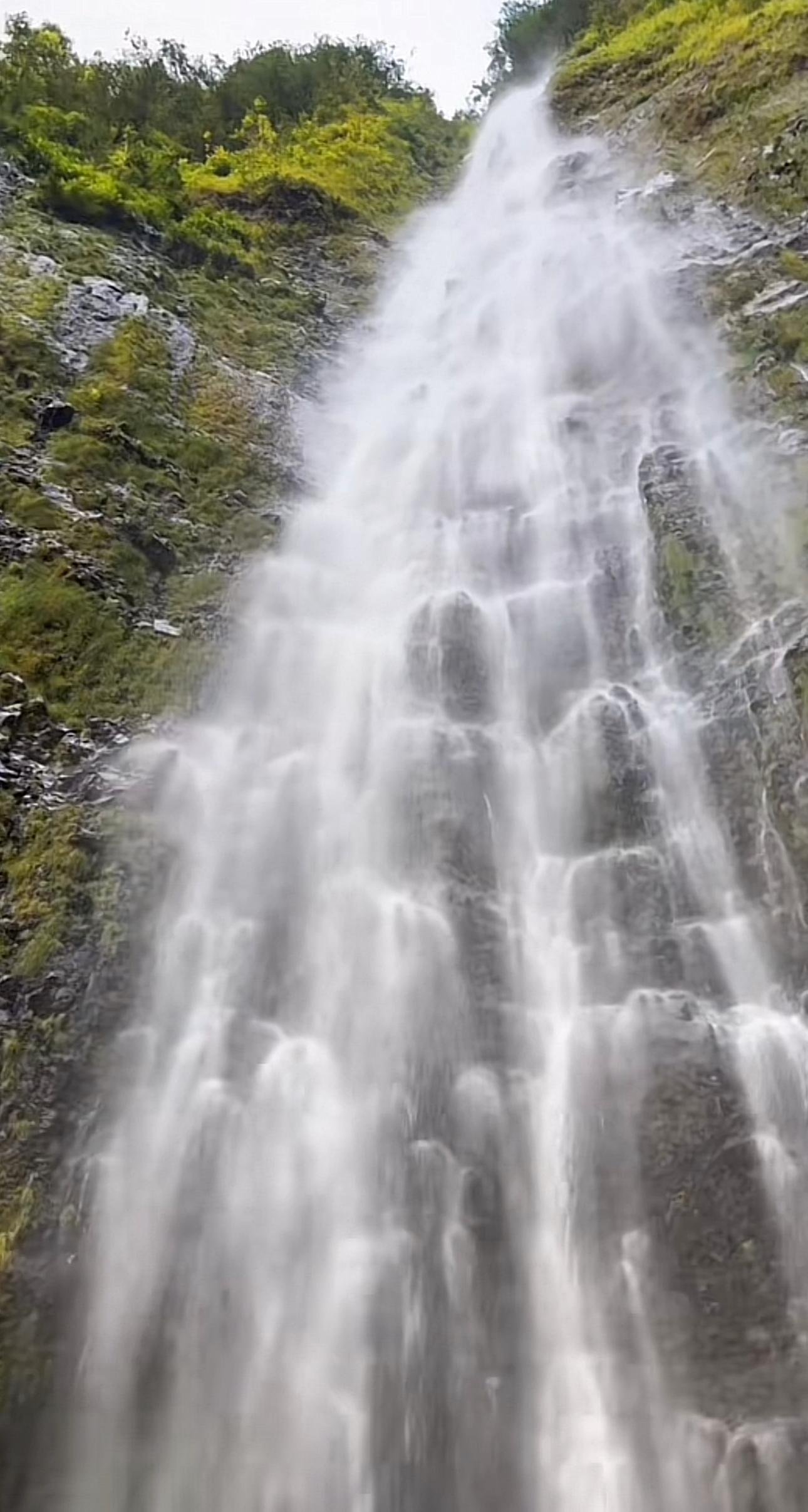
The main waterfall appears first as a low roar, then as a white curtain dropping over rust-coloured rock, the spray reaching the footpath 20 metres downwind.
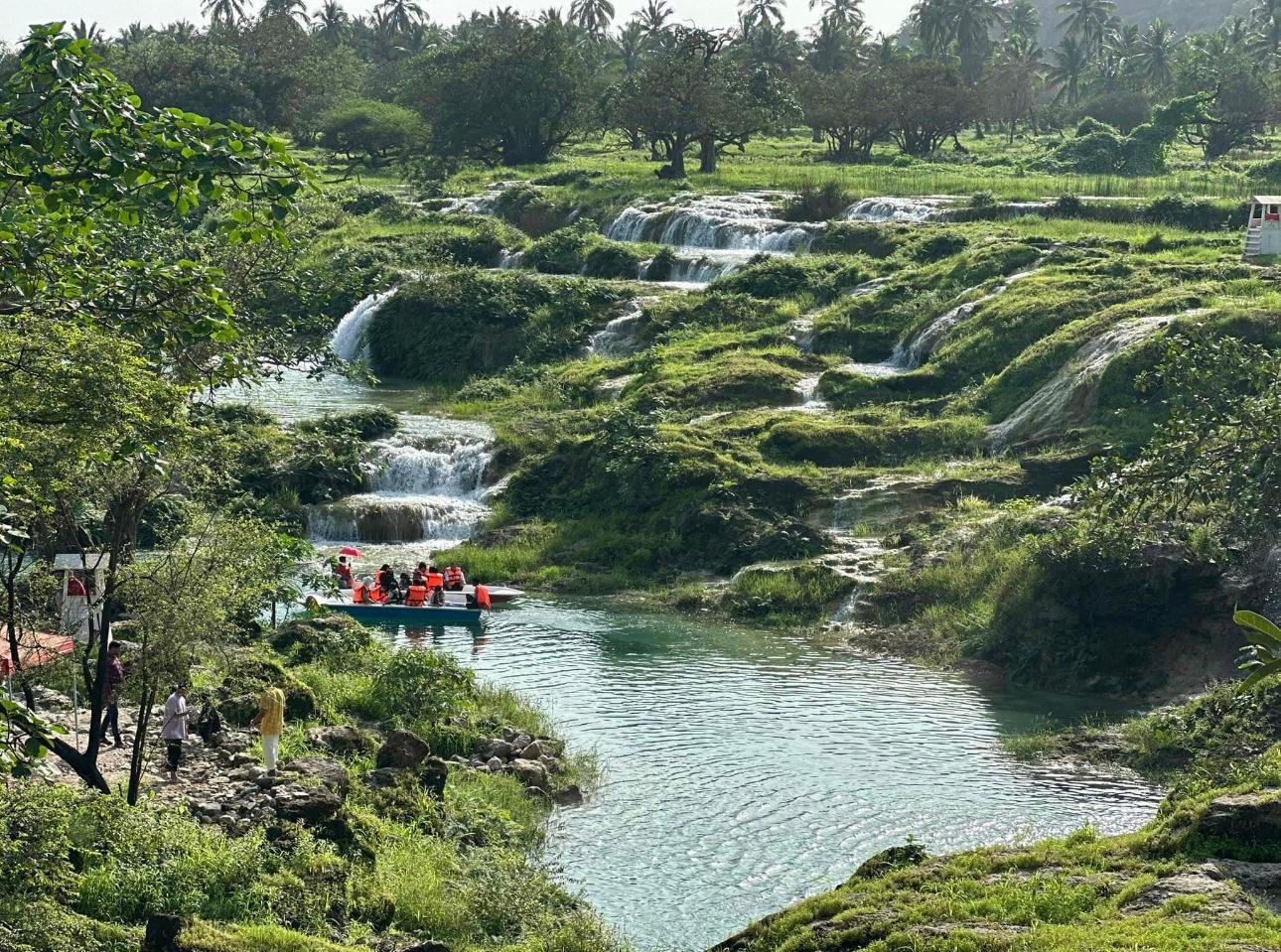
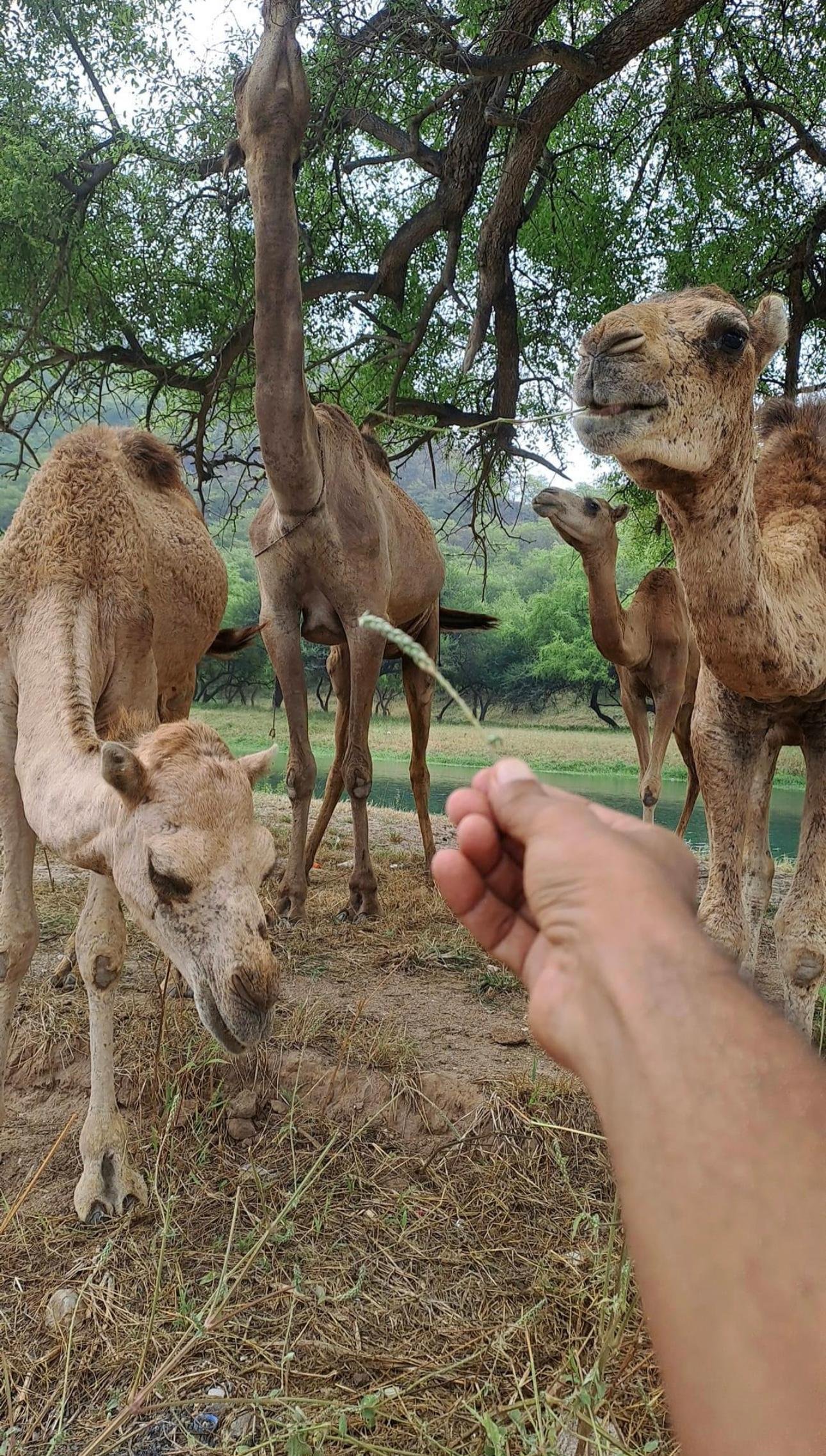
You follow the lake trail counterclockwise, the water's edge dotted with families wading ankle-deep and children launching pedal boats shaped like swans. Camels rest under acacia shade, their handlers offering 15-minute rides along the shoreline for 2 riyals. The path climbs gently toward the northern viewpoint, a concrete platform cantilevered over the valley floor, where you pause to scan for the frankincense groves marking the mid-slope treeline. Binoculars reveal the trees' pale trunks and the limestone caves pocking the cliff face above.
Descending, you veer toward the travertine pools below the second cascade, where the water collects in shallow basins before spilling toward the lake. The rocks are slick, the algae film turning them emerald under the diffused monsoon light. You finish the loop at the eastern shoreline, where the pedal boat rental kiosk operates until dusk, and the cattle egrets — dozens of them — stalk the shallows for tilapia fingerlings.
Wadi Darbat is open 24 hours a day, allowing for flexible visit times throughout the week.
There is 0 OMR entrance fee to the park itself, making it a budget-friendly destination.
Swimming is strictly prohibited in the lake and pools to protect the ecosystem and for safety reasons.
The best arrival window is 06:00–10:00 to enjoy cooler temperatures and better photography light during your wadi darbat tour.
Yes, boating and kayaking are popular activities often included or available for hire during a wadi darbat tour.
The location is highly suitable for families, with open spaces and safe areas for children to enjoy throughout your wadi darbat tour.
Bring essentials like sunscreen, a hat, water, and comfortable walking shoes for your wadi darbat tour.
The wadi is located in Dhofar Governorate and is best reached by car via Taqah Road for your wadi darbat tour.
Yes, many local operators offer a private wadi darbat tour to provide a more personalized experience.