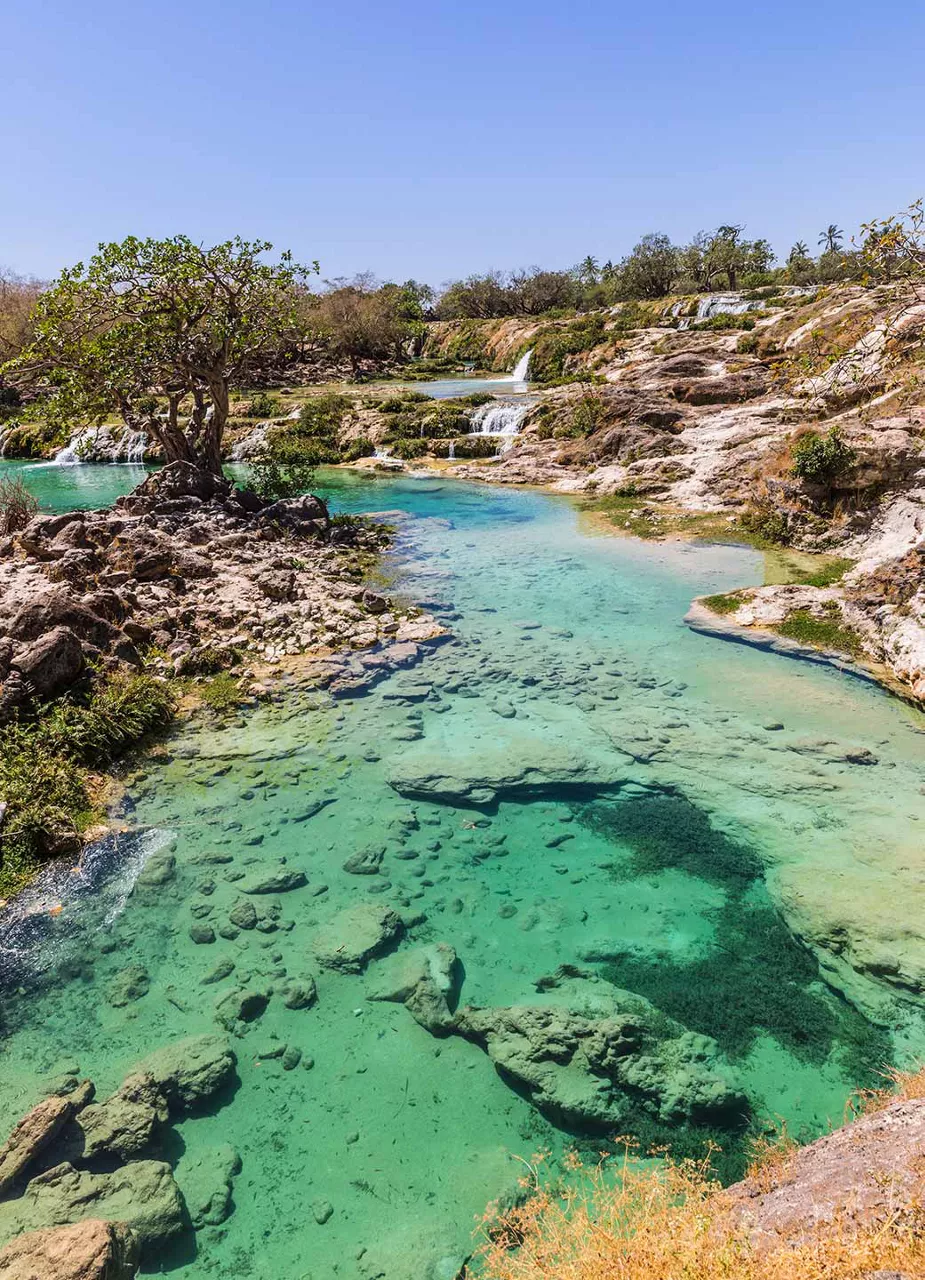
Wadi Darbat Lake
This central water body allows visitors to observe the calm surroundings and local birdlife. It serves as the primary hub for water-based activities in the wadi.
Walk the perimeter path to access multiple vantage points.

Wadi Darbat remains one of southern Oman's most accessible natural sites, with year-round entry and no formal admission gate. Understanding the site's layout, seasonal variations, and on-ground regulations helps visitors navigate the valley efficiently and respectfully.
Quick answer
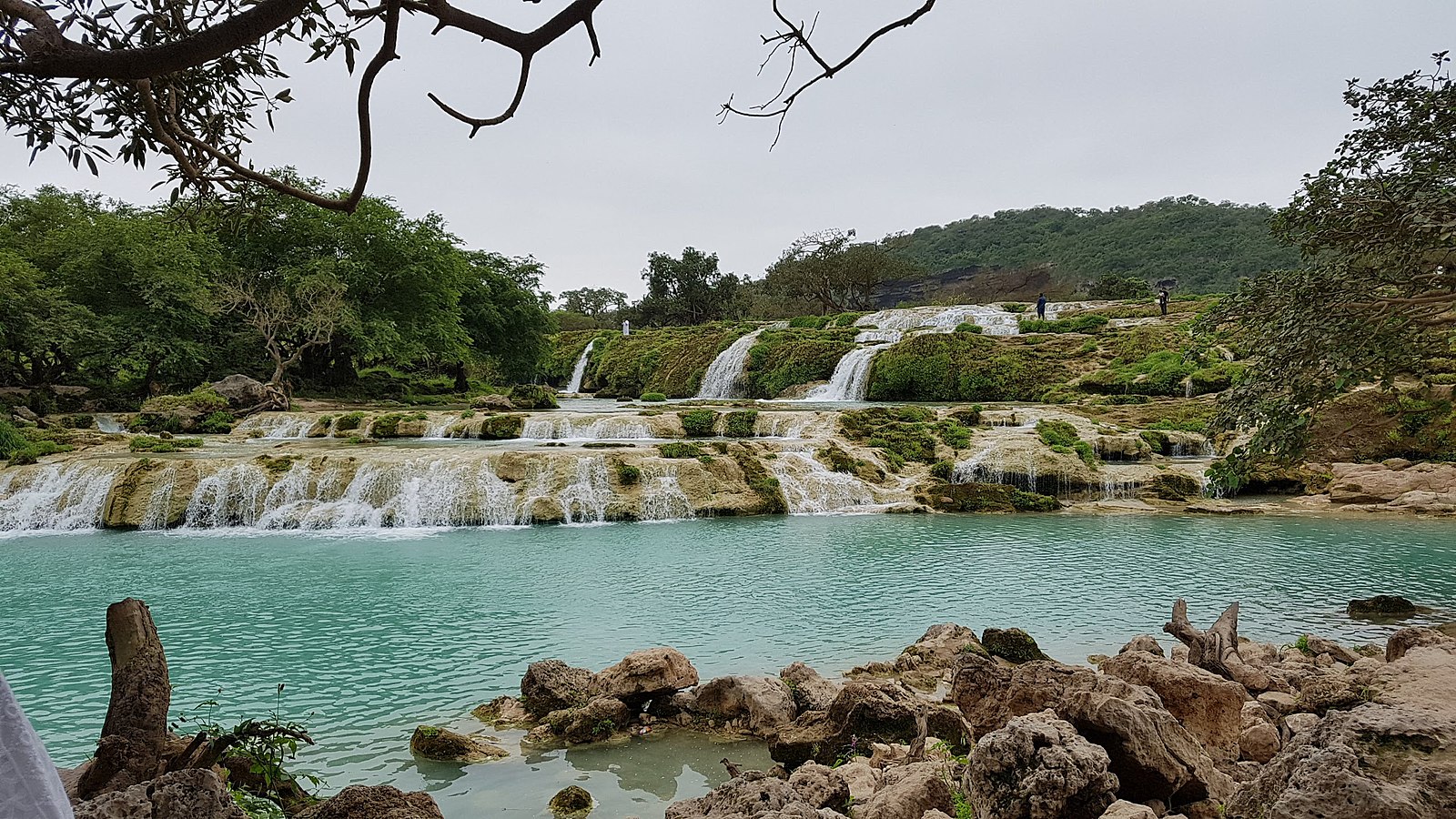
Wadi Darbat is open 24 hours daily with free entry and no ticketing system. The site operates as an open natural reserve in Dhofar Governorate, accessible by paved road year-round. Arriving between 06:00 and 09:00 avoids midday crowds and provides optimal photography light, particularly during the khareef monsoon season when the waterfall reaches peak flow.
Wadi Darbat functions as a seasonal river valley that transforms dramatically between Oman's dry and monsoon periods. During khareef—the southwest monsoon running June through September—the valley fills with cascading water, turning the arid basin into a temporary wetland surrounded by green hills. Outside monsoon months, the site contracts to a narrow stream and limestone pools, with exposed rock formations and migratory bird activity becoming the primary draw. Visiting Wadi Darbat requires no advance reservation or entrance fee. The site lacks formal gates or ticketing infrastructure, operating instead as a publicly accessible natural area managed by local authorities. Vehicles enter via a paved access road branching from the Salalah-Thumrait highway, leading to informal parking zones near the main waterfall and lake area. During peak khareef weekends, these parking areas fill by mid-morning, and overflow vehicles line the access road for several hundred meters. The valley floor spans approximately three kilometers from the main waterfall viewpoint to the upstream lake zone. Most visitors concentrate near the lower waterfall, where a stone viewing platform overlooks the cascade during wet months. A dirt track continues upstream past grazing camels and Bedouin encampments, eventually reaching the reservoir that feeds the seasonal flow. The terrain alternates between flat gravel paths suitable for standard vehicles and rougher sections requiring four-wheel drive or walking. Conduct expectations at the site align with Oman's broader environmental and cultural norms. Littering carries enforcement, and rangers patrol regularly during high season. Swimming in the pools is tolerated but not formally sanctioned, and visitors should note the absence of lifeguards or safety infrastructure. The presence of livestock and working pastoral communities means the site functions as both a nature reserve and an active agricultural zone, requiring awareness of local land use patterns. Seasonal timing shapes what a Wadi Darbat visit delivers. The khareef months bring dramatic water flow and lush vegetation but also peak tourist volume and occasional road closures during heavy rain. The dry season from October through May offers solitude and clearer skies, though the waterfall reduces to a trickle or stops entirely. Both periods provide valid experiences depending on whether visitors prioritize spectacle or tranquility.
“The valley transforms from arid basin to cascading wetland within weeks of the monsoon's arrival, a shift that redefines the landscape annually.”
The best arrival window for your Wadi Darbat visit is 06:00–09:00. Arriving during this period avoids peak daytime crowds and provides superior light conditions for photography.
Cooler, misty, 20°C–25°C. The landscape is lush and green due to the monsoon.
Warm, clear skies, 25°C–32°C. Ideal for quiet exploration and hiking.
—. This timeframe offers the most tranquil experience before the afternoon surge.
Verdict: The optimal time for a visit is weekday mornings between 06:00–09:00 during the months of October or April.
Wadi Darbat is accessible to visitors throughout the week, operating on a 24-hour schedule. There are no daily restrictions on entry times for the site.
Visiting Wadi Darbat requires no entrance fee as it is a public nature site. There are no official tickets or price tiers for entry.
Verdict: A typical adult pays 0 OMR for entry, as the site remains accessible to the public without ticket requirements.
Wadi Darbat is located in the Dhofar Governorate, approximately 45 kilometers east of Salalah. Access to the area is primarily achieved by private vehicle or taxi.
Follow Route 49 from Salalah toward Mirbat, then take the marked exit for Wadi Darbat
Direct hire from Salalah city center to the Wadi Darbat parking area
Plan your travel to ensure you reach the site during the best arrival window of 06:00–09:00. Private transport is required as there is no public bus service directly to the site.
Wadi Darbat features a diverse landscape ranging from serene water bodies to seasonal cascades. Exploring these distinct zones provides a comprehensive view of the Dhofar region's natural geography.
This central water body allows visitors to observe the calm surroundings and local birdlife. It serves as the primary hub for water-based activities in the wadi.
Walk the perimeter path to access multiple vantage points.
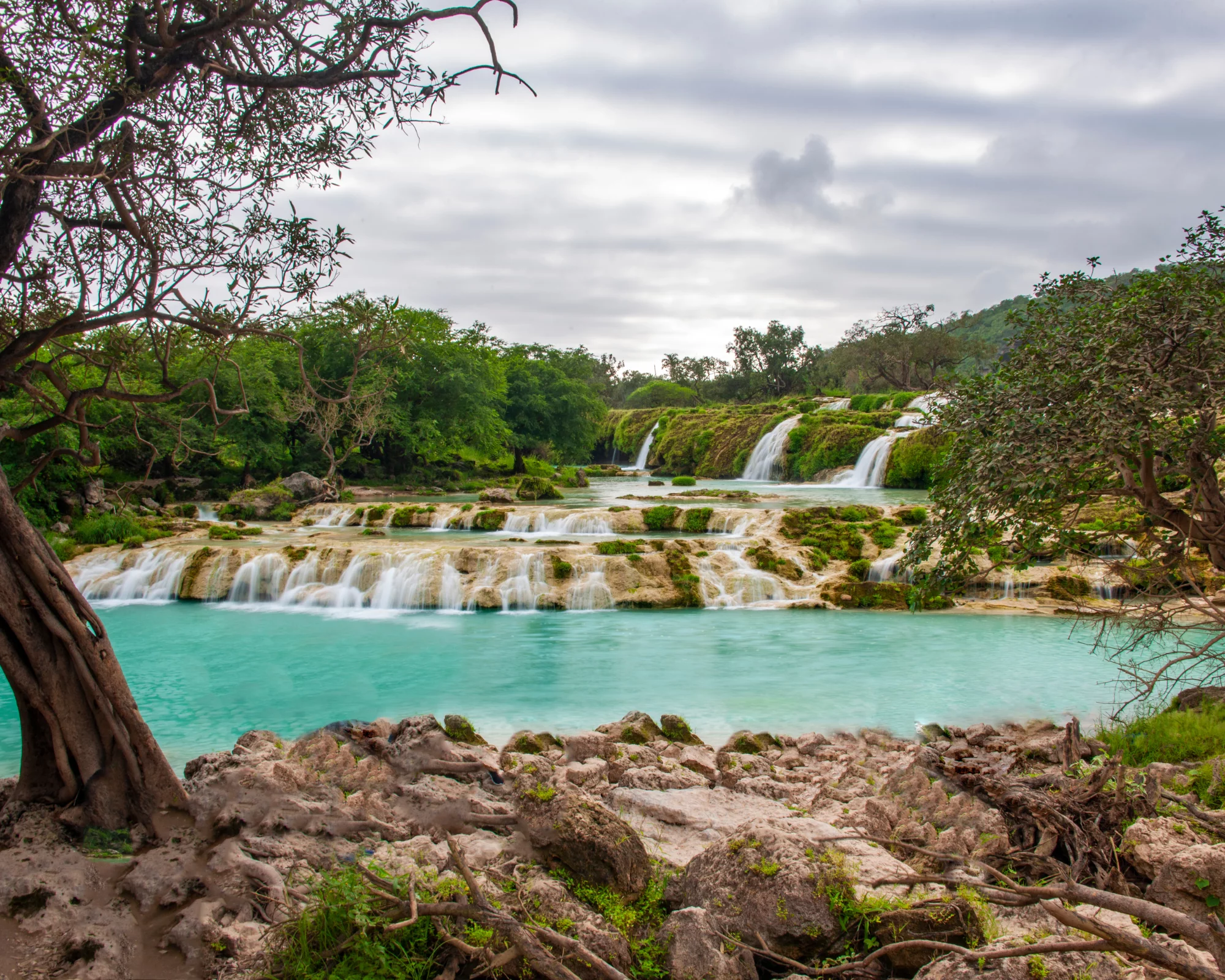
Located at the edge of the plateau, this waterfall is most prominent during the monsoon season when water flows over the limestone cliffs. Viewing intensity depends on recent rainfall.
Head to the upper observation point for the full vista.
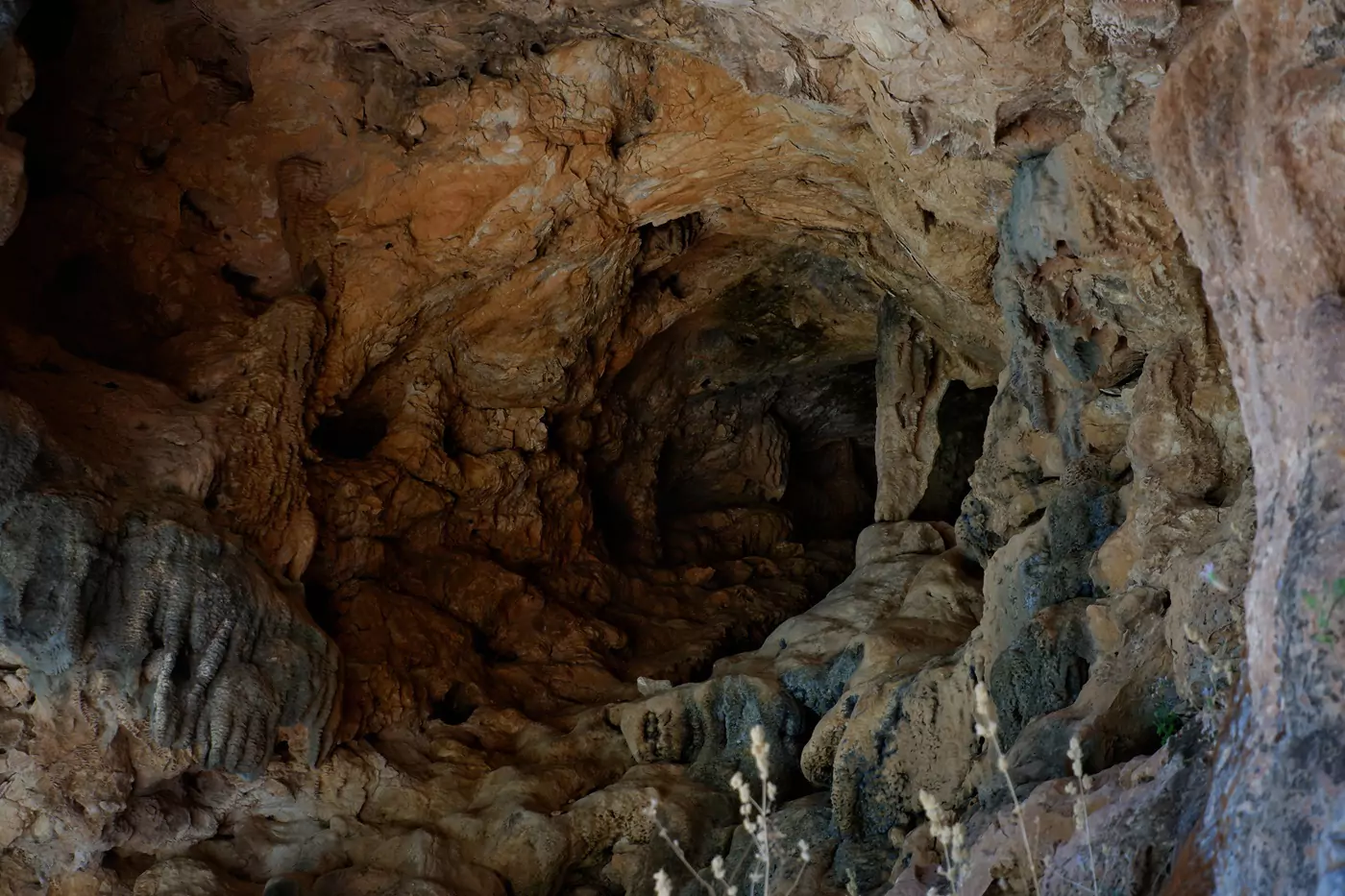
The surrounding limestone cliffs house several natural caves accessible via short hiking trails. These geological formations provide shelter and historical interest.
Wear sturdy footwear to navigate the uneven rocky terrain.
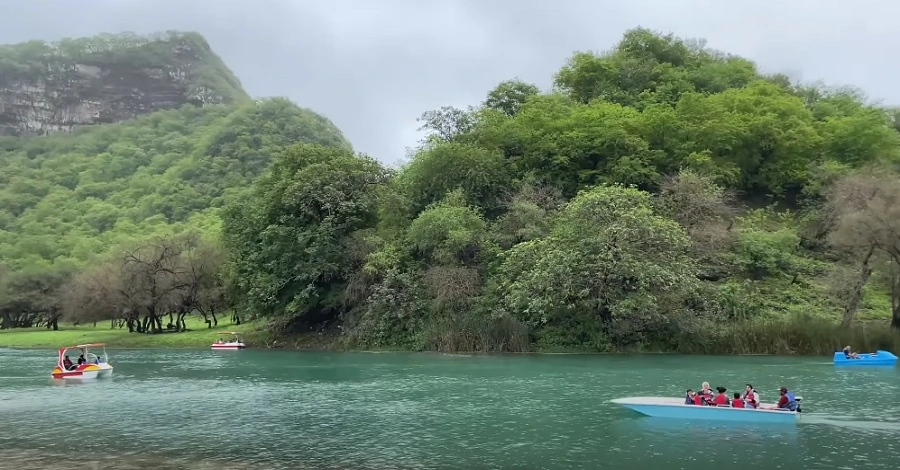
Designated zones near the lake shore offer small craft for traversing the water. This provides a perspective of the wadi from the water surface.
Arrive early to secure a boat before peak occupancy.
Wadi Darbat's fragile ecosystem and cultural significance require visitors to follow environmental protection guidelines. Respectful behavior preserves the site's natural beauty and supports local conservation efforts.
Everything you need to know about wadi darbat visit
There is 0 OMR entrance fee for a wadi darbat visit, as there is no official charge to enter the site. Visitors can access the grounds freely at their own convenience.
The site is open daily from 00:00 to 23:59. This 24-hour accessibility allows visitors to plan their Salalah landmarks trip according to their personal schedule.
We recommend arriving between 06:00–09:00 for your wadi darbat visit. This early arrival window helps you avoid peak daytime crowds and provides superior natural light for photography.
While we provide logistical guides, you may explore professional Salalah nature tour options through our recommended partners. These services often provide guided transport to enhance your wadi darbat visit experience.
The destination is family-friendly, featuring calm waters and open spaces suitable for picnics and light exploration. Always supervise children near the water and maintain a respectful distance from the cliff edges during your wadi darbat visit.
The location is situated in Wadi Darbat, Dhofar Governorate, Oman. You can input this address into your navigation system to reach the valley floor.